The Investment Car Market: Where Passion Meets Performance
The winds of change are blowing and the investment car market is evolving. Attracting collectors, investors, and enthusiasts seeking assets that combine passion and finances in a way that only cars can. 


While classic Ferraris, Porsches, and Aston Martins have long been a play thing for the uber-wealthy, today's market is being reshaped by changing demographics, technology and global wealth trends.

Current Trends Driving the Market

One of the most notable shifts I’m seeing in the market is the growing demand for modern classics. 


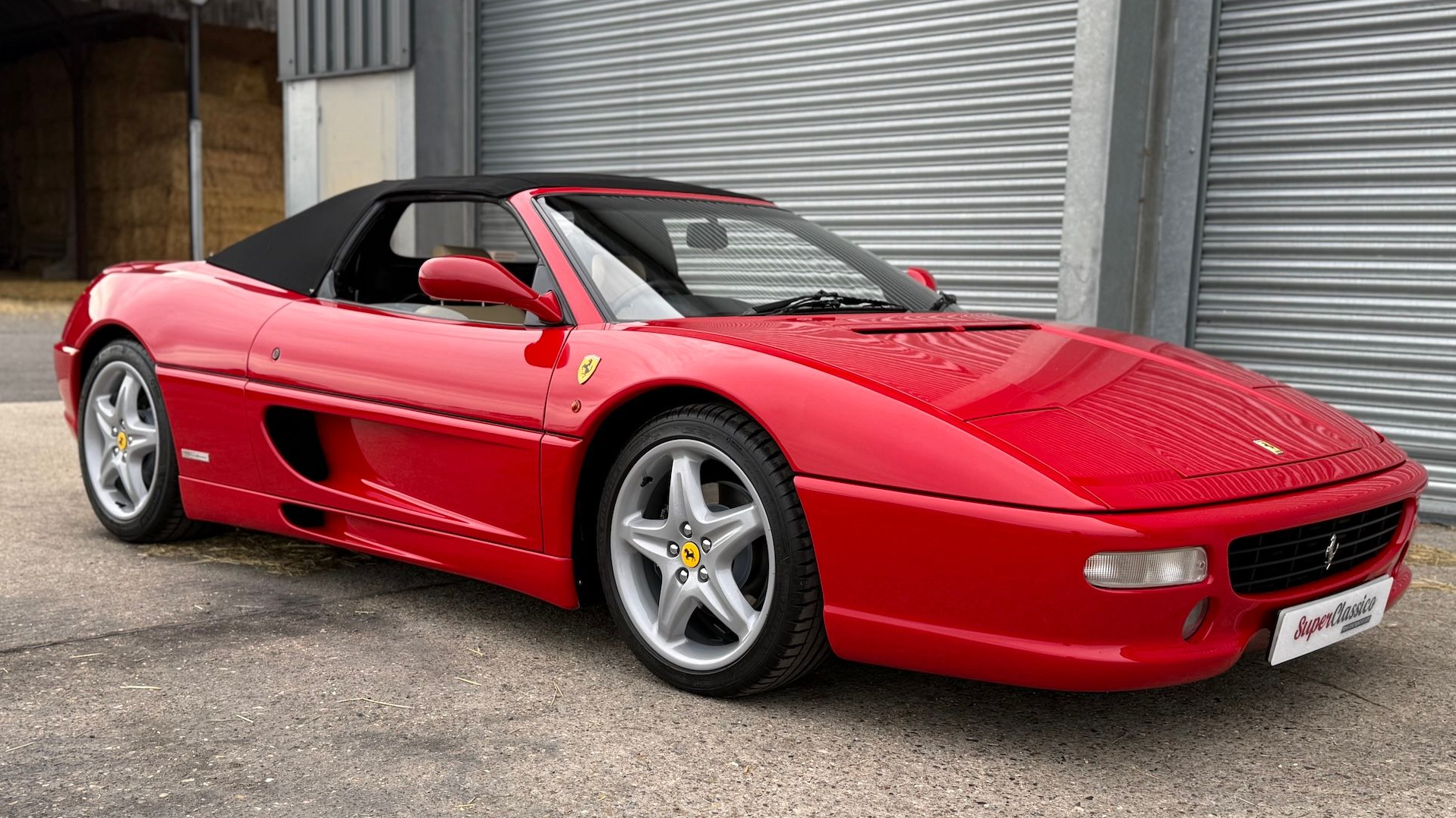
No longer is it just the fastest, most powerful cars drawing attention, but instead, vehicles from the 1990s and early 2000s. Limited-production sports cars, analog driving machines, and first-generation supercars are on the minds of buyers as they seek to fill their garages of cars they once dreamt of.


As a result of this, collectors are increasingly willing to pay substantial premiums for well-preserved, original vehicles with matching numbers, documented provenance, low mileage, and factory specifications. In a market flooded with restorations and modifications, authenticity has become a valuable currency.


Getting a hold of these vehicles is also now easier than ever. Digital auction platforms have transformed access to investment-grade vehicles. Buyers can now participate globally, increasing market transparency and broadening the pool of potential bidders, bringing more niche collectors, and their cars, into the spotlight.

Expert Commentary

In my experience, there are several characteristics the best-performing collector cars tend to share:


  • Limited production numbers
  • Strong brand heritage
  • Historical significance
  • Exceptional condition
  • Comprehensive documentation


It is important however, to caution against viewing these cars purely as speculative investments. Unlike traditional financial assets, automobiles require storage, maintenance, insurance, and ongoing care - which comes at a cost. The strongest returns often come from vehicles purchased with both passion and patience as opposed to viewing them as a quick flip.


A number of close collectors also note that rarity alone does not guarantee appreciation. A car must have cultural relevance, enthusiast demand. Often, the vehicles that perform best financially are those that enthusiasts genuinely desire to own and drive.

Market Challenges

Despite increased interest and ease of access, the investment car sector faces several difficulties. In particular, I’ve seen that the current economic uncertainty around the world has resulted in more selective purchasing behaviour, reducing the number of speculative or impulsive purchases being made.


Additionally, with an influx of wealth being passed down, buyers from younger generations are demonstrating different ownership preferences. While enthusiasm for performance vehicles remains strong, sustainability concerns and changing mobility habits may influence future collector demand.


Finally, with the world going green, the transition toward electrification presents both risks and opportunities. Traditional, powerful, internal combustion icons may become increasingly desirable as automotive technology shifts toward electric powertrains, potentially enhancing the appeal of “old-school” driving experiences.

Predictions for the Next Decade

With this in mind, I am putting my neck on the line, and I believe that there are several themes are likely to define the market over the next decade:


Modern Classics Will Continue to Rise


Limited-production vehicles from the late 1990s through the 2010s will attract sustained collector interest as affluent or aspirational buyers enter their peak earning years.


Provenance Will Drive Value


Documented ownership history, exciting backstories, and factory records will increasingly separate exceptional investments from average examples.


Analog Driving Experiences Will Command Premiums


Manual transmissions, naturally aspirated engines, and mechanically engaging vehicles are likely to become more desirable as traditional “drivers” cars, become a thing of the past.


Global Demand Will Expand


Growing wealth in emerging markets is expected to increase competition for the world's most desirable collector cars, supporting long-term values for blue-chip automotive assets.

Final Thoughts

The investment car market remains one of the few asset classes where financial opportunity and personal enjoyment can coexist. 


While no investment is guaranteed, my advice to investors considering entry into the sector echoes the timeless advice I was once given: buy the best example you can afford, focus on quality and heritage over quantity, and invest in cars you would be proud to own regardless of the market.


After all, the most successful collector car investments begin with passion, not spreadsheets.

Let Us Know What You're Looking For'

Get in touch, tell us what you’re looking for, and we’ll find you a special car.

Contact Us
By Andrew Admin • October 4, 2026
When people hear about a multi-million-pound collector car sale, they often imagine the negotiation is the hardest part. However, in my experience, that’s usually the easiest part! The headlines are always the same, “A rare Ferrari sells for £5 million” or “A historic Porsche changes hands”, but what these headlines fail to mention is the weeks of work going into the sale. In reality, the transaction itself is only a small part of the story and the real work begins on my end long before anyone discusses price. It Starts With a Conversation As I’ve previously covered, most collector cars I source aren’t actively for sale so I’m not searching for listings on AutoTrader. Instead, the process often begins with a discreet conversation at a show, or via LinkedIn. Throughout these conversations, an owner may mention that they are considering refining their collection or a collector may quietly ask whether a particular model could ever become available. Neither side is committed, and neither side is under pressure. It’s simply two parties exploring possibilities without expectation. Is It the Right Match? Matching the right buyer and seller is often more important than just securing the highest price for the potential seller and one of the most valuable things I can do is match like minded people but also recognise when a transaction shouldn’t happen. For whatever reason there are times that the sale just shouldn’t go through, whether it be a personality clash between buyer and seller, or a financial stumbling block, if either party is at all unsure then that within itself is often enough to pull the plug. The perfect opportunities don’t need to be forced, and walking away from the wrong deal protects everyone involved. Due Diligence Before Negotiation Only once both parties are comfortable with each other, and the potential deal at hand, does the detailed work begin. For these ultra-exclusive cars, it’s a deeper dive than you’d perhaps imagine. As well as independent inspections of the vehicle itself there is a full documentation review including ownership history, service records, and factory documentation. Beyond the car, there is a plethora of legislation meaning identity verification and compliance checks of the buyer are also completed. For significant collector cars, this provenance is every bit as important as physical condition. Confidence is built through facts, not assumptions. The Negotiation Isn’t About Winning There’s a common misconception that negotiations are about one side beating the other. It’s often that the seller has hiked the price, whilst the buyer is constantly haggling it down. In reality, this rarely happens. Of course there is a little natural bartering, but the best transactions are those where both parties leave satisfied, and not fatigued. Naturally the seller wants confidence that their cherished car is moving to the right next custodian, whilst the buyer wants reassurance that they are acquiring a car exactly as represented. As such, my role isn’t to create conflict, it’s to create clarity. Managing expectations honestly, communicating openly and keeping emotions under control when decisions become difficult are all essential to ensuring a smooth transaction. The Details Matter As a transaction progresses, countless practical considerations come into play. Many of these aren’t even an afterthought to those involved, but to a broker, these are the details that mean everything. On the paperwork front much of the work is around finances and ownership. For example; what does the payment structure look like and when does legal ownership transfer? Logistically, delivery of the car is imperative, therefore the main questions are; who arranges transport, and what does the insurance look like during this time? In the UK these questions can be difficult, but when dealing with overseas buyers, these logistics are multiplied tenfold. Specifically how are registration, export or import requirements managed, and how is the car being transported to its new home? These details rarely attract attention, yet they are often what determine whether a transaction proceeds smoothly making professional preparation essential. Handover Day People often imagine excitement when a multi-million-pound collector car changes hands, but in truth, the atmosphere is usually mixed. From the seller, there is often a quiet moment of reflection as they take one last look at a car they may have owned for decades. Whilst from the buyer, there is a moment of appreciation for the latest addition to their collection. Each handover day is unique, aside from the keys and paperwork changing hands. Sometimes there’s small talk between buyer and seller, a few photos or social media posts, but no two days are the same. For me, it’s a reminder that these cars are more than metal on wheels, or valuable assets. They are part of people’s lives, and need to be treated with the utmost respect. Final Thoughts No two collector car transactions are the same, every individual has different priorities and ambitions, whilst every car has its own history. What remains constant is the need for honesty and discretion. These principles matter far more than clever negotiation tactics or dramatic last-minute offers. Ultimately, the best deals are never the quickest, but they’re the ones that are completed professionally and discreetly. These are the ones that brokers strive for, building the strongest relationships, and sometimes even friendships, in the long run.  So next time you see the headline announcing a £5 million collector car sale, spare a thought for everyone involved. Beyond the destination, but the weeks of work prior to get to this point..
By Andrew Admin • October 4, 2026
Something often overlooked in this industry is that the buyer is more important than the finances. Now, hear me out. One of the biggest misconceptions about the collector car market is that finding a potential buyer is the difficult part. It isn’t, finding suitors for some of the rarest cars in the world, is actually more simple than you might think. However, finding the right buyer is the tricky part. When you’re selling a £50,000 car, you can afford to deal with a number of enquiries before finding the right person. But, the stakes are charged when you’re entrusted with a collector car worth upwards of £1 million. Every introduction carries responsibility, every conversation matters, and every buyer must be carefully qualified before a seller’s privacy and time are placed at risk. Not Every Enquiry Is a Buyer The internet has made it incredibly easy for people to find and express their interest in cars. Despite the increased reach often being regarded as a good thing, there are pitfalls that have to be accounted for. With increased ease comes a greater number of enquiries from people who don’t have genuine interest or the ability to purchase these cars. They usually aren’t malicious people, they’re usually passionate about cars, or dreamers with ambition, very rarely are they spying on sellers or their collections. But, because of this, my first responsibility is to identify the difference and filter out those who aren’t genuine prospects. The Right Buyer Isn’t Always the Highest Bidder One of the most interesting aspects of the collector car world is that price isn’t always the deciding factor. I’ve seen owners choose a buyer who wasn’t offering the highest figure because they believed that person would become the right next custodian when compared to others. Perhaps they intended to preserve the car rather than immediately resell it, better understood its history and heritage, or perhaps they simply approached the transaction with honesty and respect. For many collectors, knowing where a treasured car is going is as, if not more, important than the final number on the contract. Understanding Motivation One of the first questions I ask myself isn’t about whether the prospective buyer can afford the car, it’s their motivation for choosing this particular car. That answer often reveals far more than bank statements ever could. Perhaps they’re completing a long-term collection or replacing a car they regret selling years ago. The possibilities are endless, and are important to explore. Serious collectors usually have a story and, through honest conversation you can understand the person behind the interest. It’s only by doing this that you can truly determine whether the opportunity is right for both buyer and seller. Qualification Protects Everyone Now, in my experience, buyer qualification is sometimes misunderstood as an unnecessary obstacle when in reality, it protects both parties. For the seller, it prevents confidential information being shared with people who have no legitimate reason to receive it. For the buyer, it ensures they are treated seriously from the outset, with access to the information they need once their credentials have been established. Despite the importance of the process, it should never feel confrontational, it should feel thorough yet professional. After all, anyone purchasing a significant collector car would expect the same level of care if the roles were reversed, right? Financial Capability Matters Now, of course finances are important, and at some point, every significant transaction reaches the same stage. The buyer needs to demonstrate that they have the financial ability to complete the purchase. It’s essential to note that this isn’t about mistrust, it’s about certainty and in the world of high-value assets, discussions around proof of funds and banking arrangements are standard practice. Handled professionally and respectfully, these conversations protect everyone involved, giving the seller confidence that negotiations are progressing with a genuine purchaser rather than a speculative enquiry. Compliance Is Part of Professionalism Not the most glamorous part of the industry, today’s collector car market operates within a framework of international regulations designed to combat fraud, and financial crime. Know Your Customer (KYC) and background checks are no longer optional, they’re part of responsible business practice. While these processes can sometimes slow down the pace of a transaction, they add another layer of security and ultimately strengthen the market as a whole, protecting all involved parties. Therefore, professional compliance should never be viewed as a barrier to doing business but viewed as a sign that the business is being conducted properly and above board Trust Builds Relationships In the collector world, exceptional vehicles are rare, but successful transactions should never feel like a one-off or a fluke. People should be inclined to return, respecting and appreciating the efforts being put in by brokers who work to make the right deal happen for all involved. Following the correct processes protects both buyers and sellers and builds relationships through honesty and trust which, in today’s market, are worth their weight in gold. However, this network of buyers and sellers is only possible over time, being built upon mutual respect and understanding, but it’s essential as ultimately people buy from people. Final Thoughts Buying a multi-million-pound collector car is about far more than financial capability, it’s about understanding that behind every exceptional vehicle is an owner who deserves confidence that their prized possession is passing into the right hands.  In my experience, the finest transactions begin long before price is discussed. They begin with trust and everything else falls into place from there.
By Andrew Admin • September 18, 2026
New Title
By Andrew Admin • September 3, 2026
Confidentiality in off market high value car sales
How to reach the words best collector cars
By Andrew Muggeridge • August 19, 2026
New Since getting into the car market over 30 years ago, I’ve been a strong believer that the rarest collector cars aren’t usually sold online. They’re sold through relationships. At first I thought it was simple, you have a car, list it online and someone will buy it, but, as my career has progressed I’ve noticed more and more that for a certain market people buy from people. Some of the most significant deals take place away from the “normal” means of selling. These cars never appear on Auto Trader, Collecting Cars, or even the world’s leading specialist websites, and they rarely become the subject of public discussion until long after they’ve changed hands and appear at a show, or in a new location. Yet, these cars are bought and sold every week. Hundreds of thousands, sometimes millions of pounds worth of car, without anyone knowing. As people find out about this, I’m often asked how the really special cars change hands without anyone knowing they’re available? And my answer, as simple as it may sound, is trust.
By Andrew Muggeridge • July 9, 2026
One of only 64 RHD in the UK
By Andrew Muggeridge • July 9, 2026
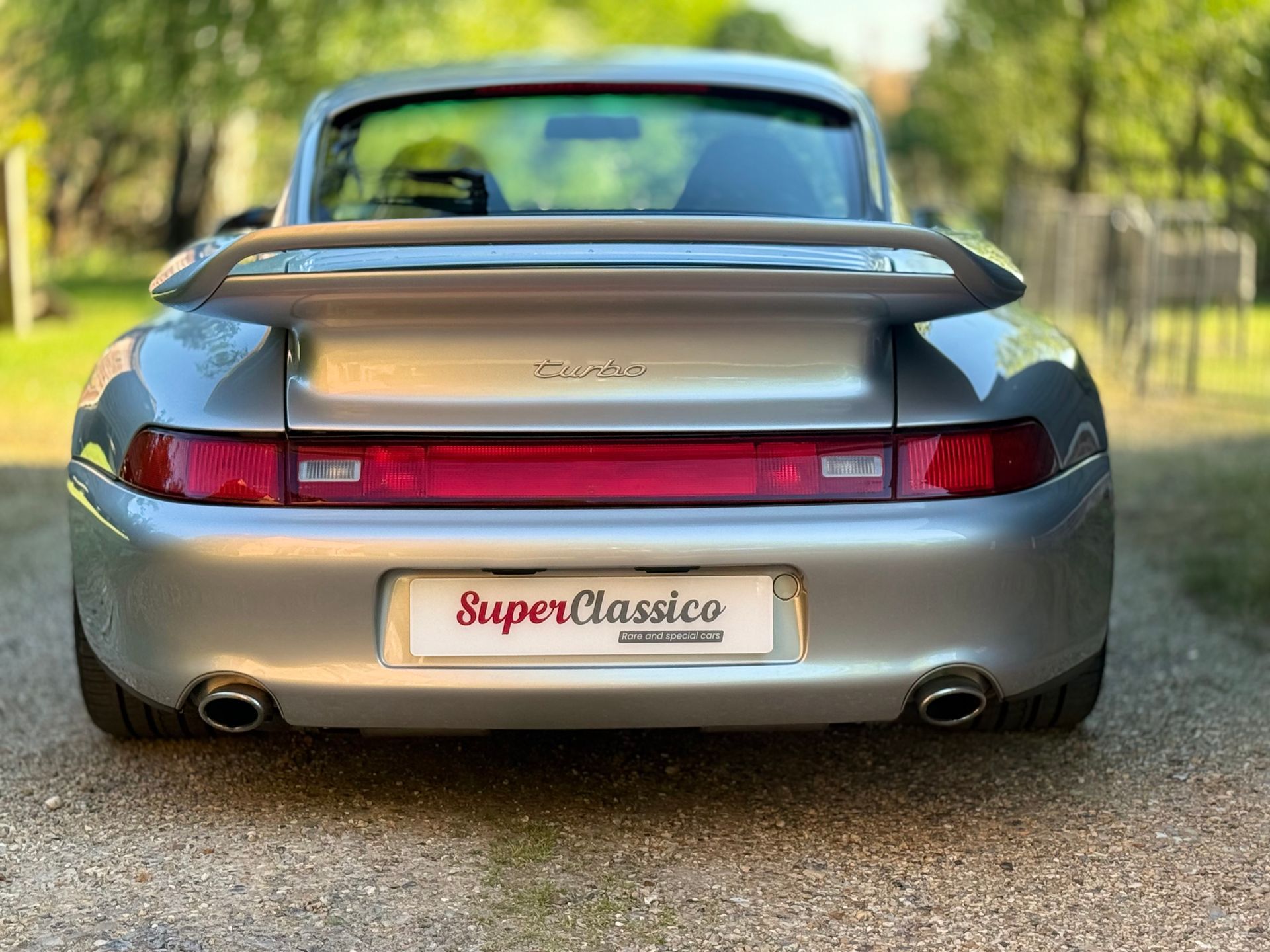
Despite multiple factors impacting the market, Porsche continue to demonstrate remarkable resilience amongst collectors, with several key models posting significant gains over recent months. But why have certain models continued to climb whilst others have faltered? Here, I’ll break down 3 of the biggest gainers and the reasons why I think they’re here for the long haul. Perhaps the least surprising entry on the list is the 997 GT3 RS. Emerging as one of the defining modern-era Porsches it combines analogue driving characteristics with genuine motorsport pedigree, occupying a unique position in the market. In a world of EV’s, many buyers increasingly seek naturally aspirated, manual cars, and the model’s status as one of the last truly analogue GT products, has driven sustained upward pressure on values. Meanwhile, the 993 Turbo continues its transition from desirable classic to blue-chip collectable. As the final air-cooled Turbo model, it has long enjoyed a special status among Porsche enthusiasts. Recent market activity suggests that it’s pushing the boundary beyond the enthusiasts as its scarcity, alongside the growing global demand for air-cooled cars, has accelerated value growth. Exceptional examples are now commanding figures that would have seemed impossible just a decade ago. Perhaps the most interesting movement, however, has been seen with the 996 GT2. For years, it remained overshadowed by its GT3 contemporaries, but the market has begun to recognise the significance that true petrol-heads always saw. With rear-wheel drive, turbocharged power and a famously demanding driving experience, the 996 GT2 represents a raw and uncompromising era of Porsche engineering that is unlikely ever to be repeated. What unites these three models is authenticity. They’re true to what they claim to be and, in an increasingly digital automotive landscape, collectors are placing ever greater value on rarity, mechanical purity and historical significance. For the Porsche market, these attributes continue to translate directly into appreciation.